
Non-metallic Expansion Joint Fabric
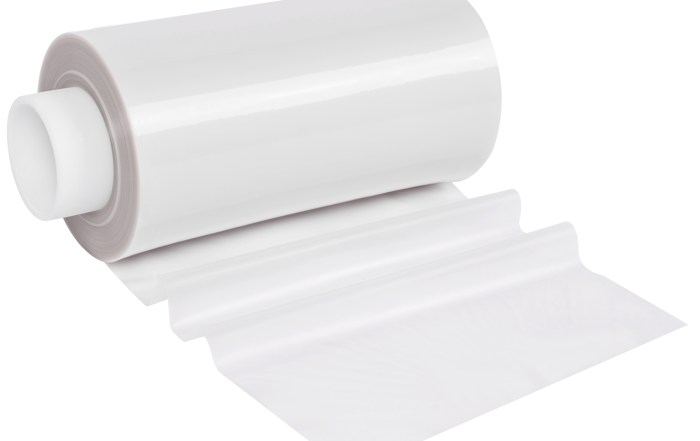
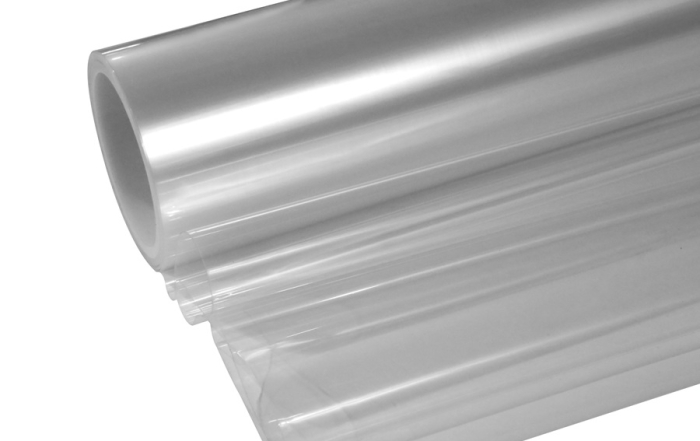
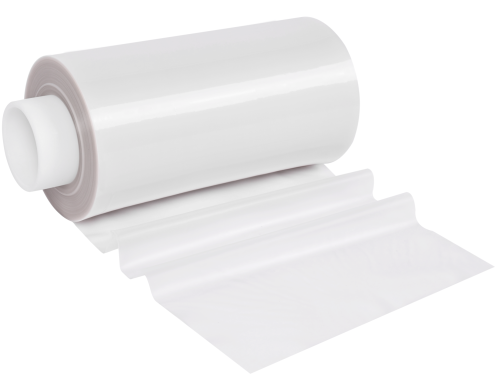
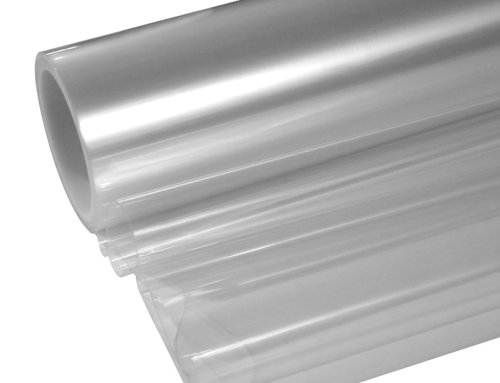
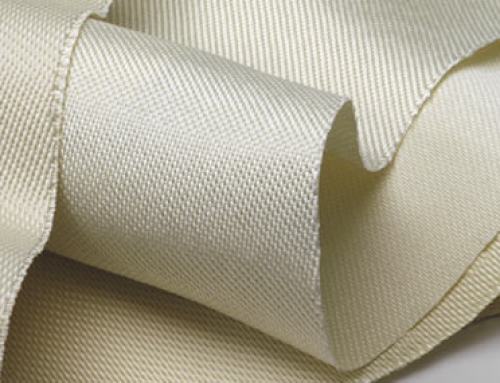
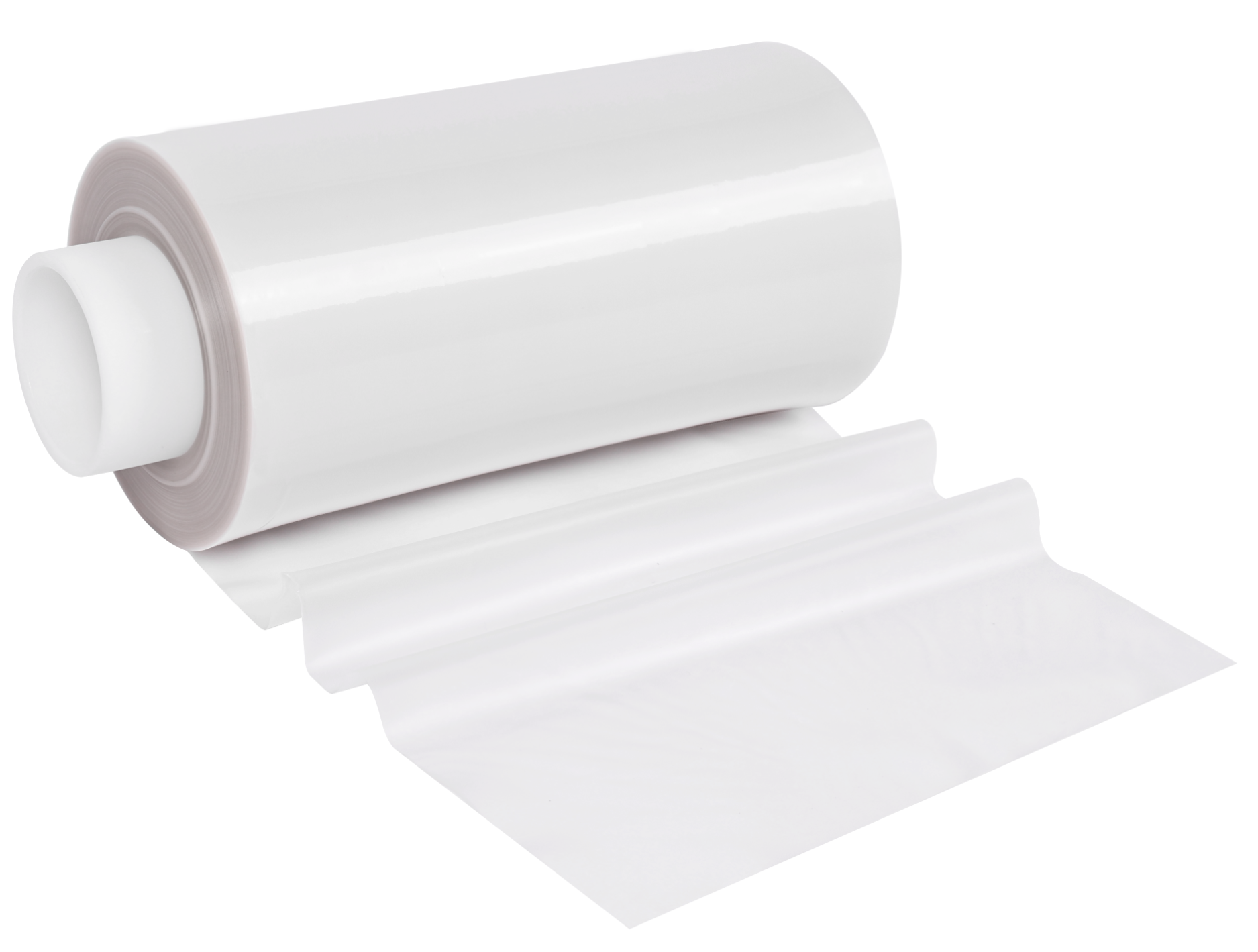
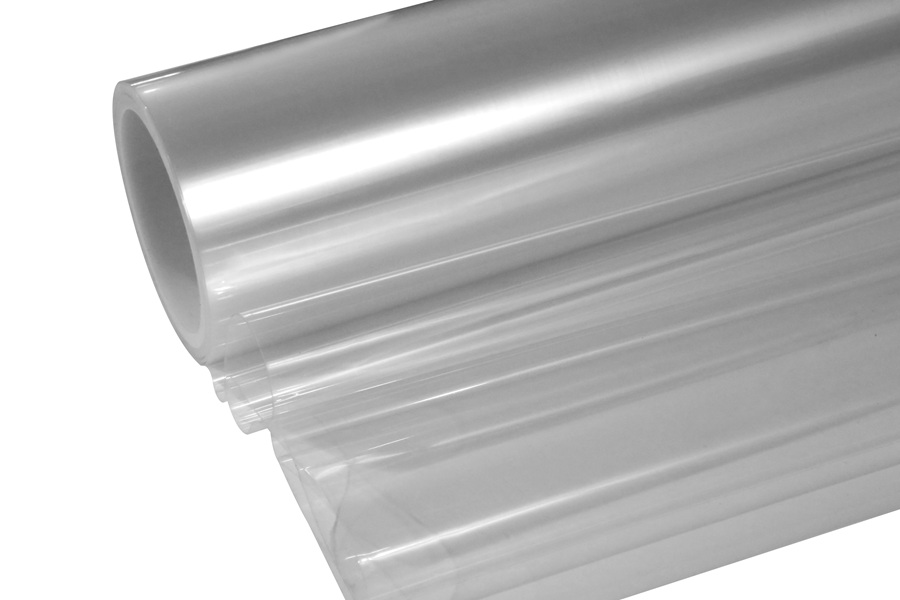
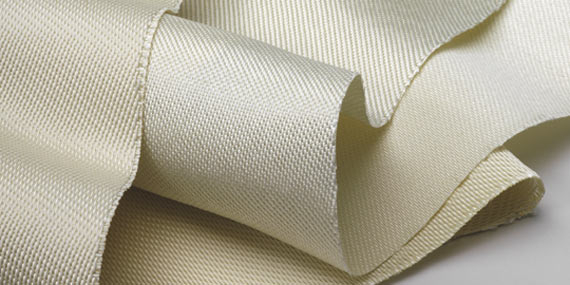
Non-metallic Expansion Joint Fabric is a PTFE-based composite fabric designed for expansion joint liners and membranes. It combines PTFE skived film / PTFE film with glass fiber cloth, creating a flexible, durable, and chemical-resistant material system for expansion joint components.
Why Choose Our Fabric
This non-metallic fabric is selected for expansion joint projects where corrosion resistance and performance stability matter. The PTFE surface characteristics support low adhesion / non-stick behavior, which helps reduce sticking and material buildup in service.
Key advantages include:
- Chemical-resistant performance for aggressive industrial environments
- Flexible and lightweight composite for easier fabrication and installation
- Stable liner/membrane function under expansion movement and service cycles
- Good handling and tailoring for lining and membrane applications
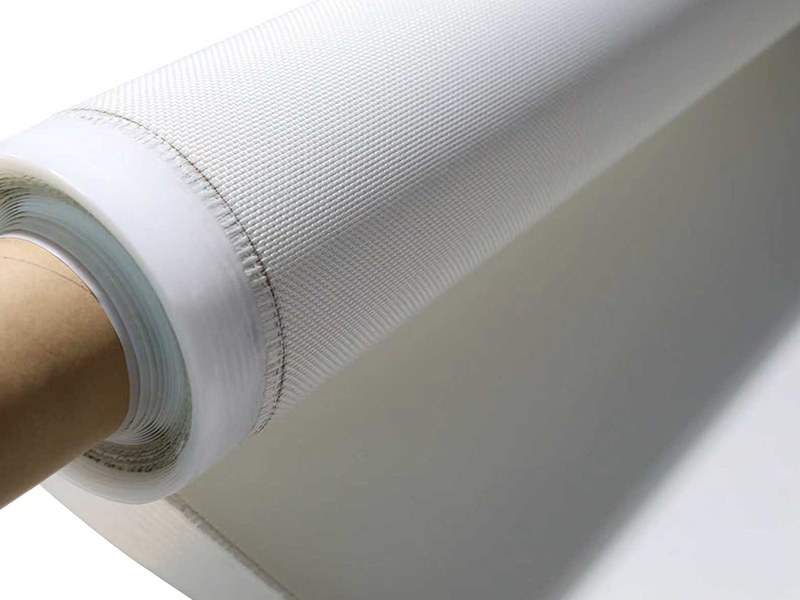
| Style | Fabric thickness mm(inch) | PTFE film thickness mm(inch) | Tensile strength in warp N/5cm(lbf/in) | Description |
|---|---|---|---|---|
| ESLAM GP1 | 1(0.04) | 0.1(0.004) | 5200 | Glass cloth with one side 0.1mm PTFE film |
| ESLAM GP2 | 1(0.04) | 0.2(0.008) | 5500 | Glass cloth with one side 0.2mm PTFE film |
| ESLAM GP3 | 1(0.04) | 0.3(0.012) | 5500 | Glass cloth with one side 0.3mm PTFE film |
| ESLAM GP4 | 1(0.04) | 0.2(0.008) | 5500 | Glass cloth with one side 0.2mm modified PTFE film |
| ESLAM GP5 | 1(0.04) | 0.4(0.016) | 6000 | Glass cloth with both sides 0.2mm modified PTFE film |
Applications in the Expansion Joint Industry
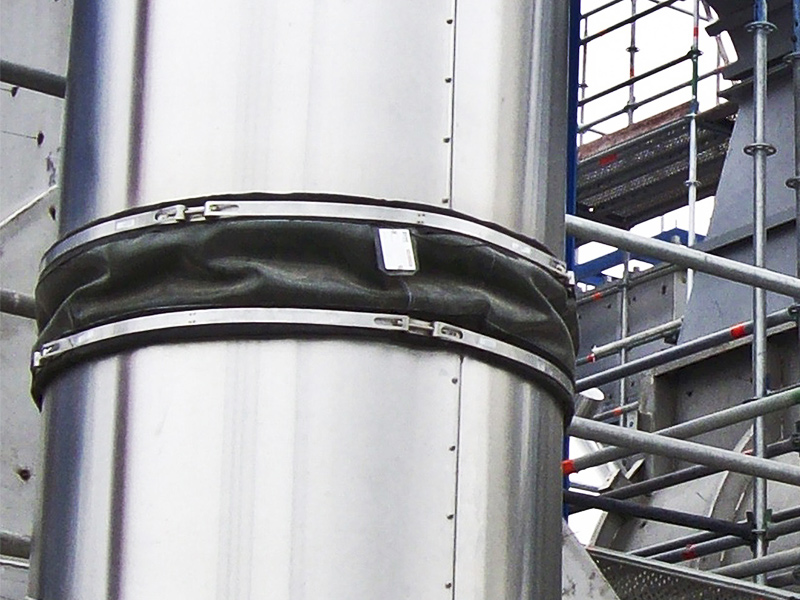
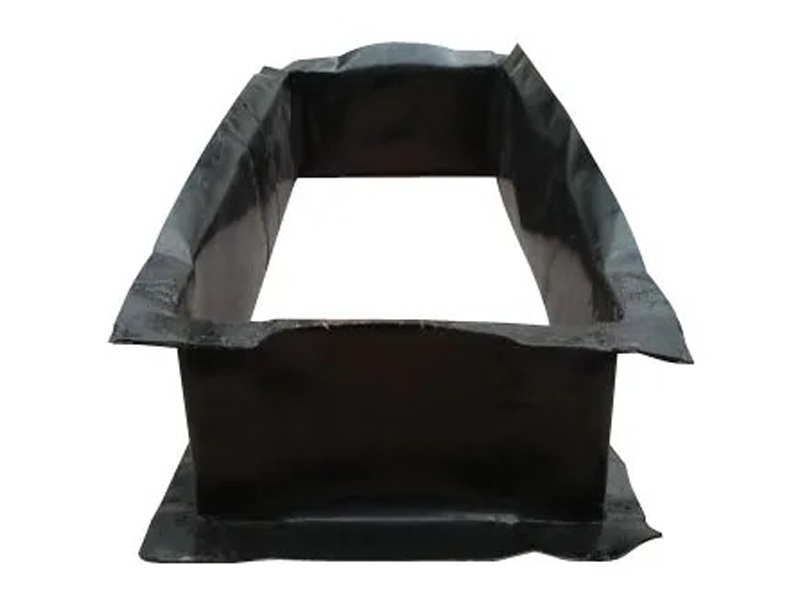
Non-metallic Expansion Joint Fabric is widely used as a core material in expansion joint solutions where corrosion resistance and flexibility are critical. It is commonly applied in fabric-based expansion joint components such as:
- Expansion joint liners / membranes
- Expansion joint bellows fabric layers (depending on joint design)
- Lining materials for aggressive chemical services
- Components requiring PTFE surface characteristics (low adhesion and chemical compatibility)
Because this is a PTFE/glass fiber composite, it is often considered for industries that require chemical resistance and reliable flexible composite performance, such as:
- Chemical processing & chemical plants
- Pulp & paper
- Water & wastewater treatment
- Mining & metallurgy
- Power generation & utilities
- Industrial ducting / flue gas systems (when chemical resistance is required)

Leave A Comment